
Understanding Mould and Mildew: Why It Keeps Coming Back
It's a common frustration — a surface gets cleaned, looks great for a while, then mould or mildew starts creeping back within months. Understanding why it happens helps explain what actually works long term.
Why mould comes back so easily
- Shaded, damp areas provide the perfect environment for spores to resettle and regrow.
- Surface scrubbing alone often leaves roots or spores embedded below the surface.
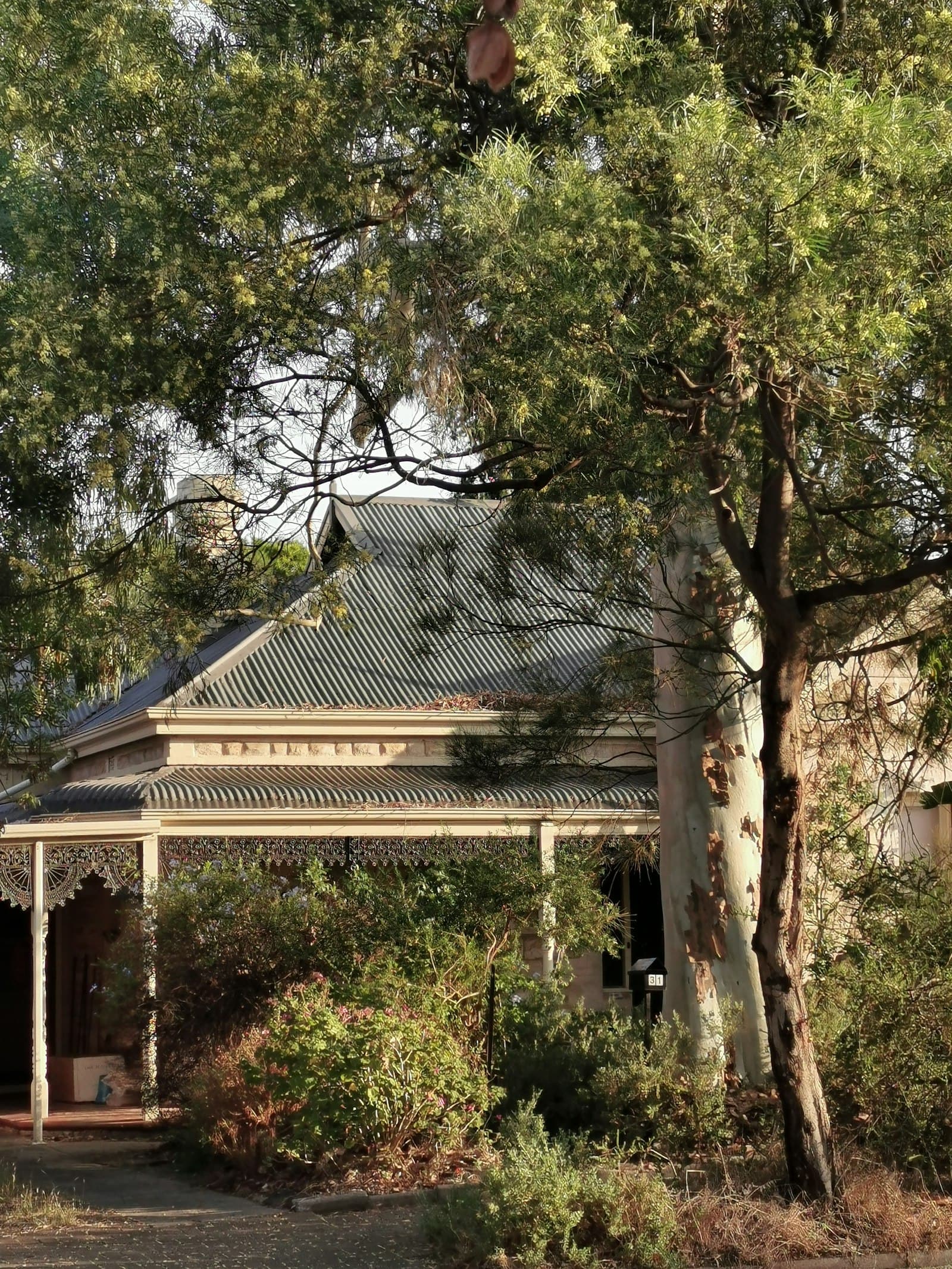
- Poor drainage or overhanging trees keep surfaces damp for longer after rain.
- Porous surfaces like unsealed concrete and render hold moisture longer than sealed ones.
What actually helps
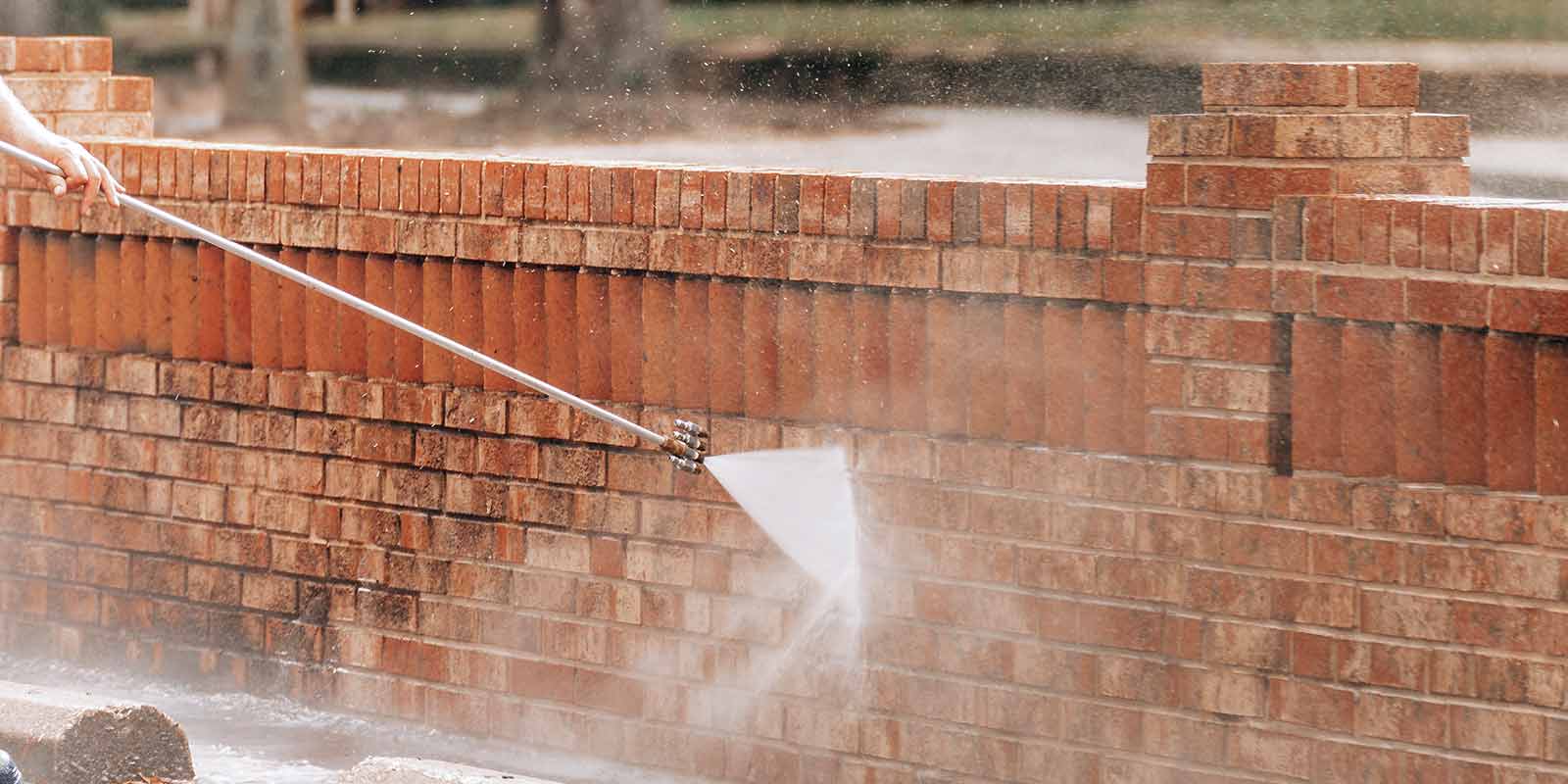
A proper pressure clean removes far more of the embedded growth than surface scrubbing or a basic hose-down. Sealing surfaces after cleaning, improving airflow where possible, and staying on a regular cleaning schedule all help slow regrowth significantly.
If mould keeps returning faster than you'd expect, get in touch — we can talk through what's likely causing it and how to keep it under control for longer.
Is mould on exterior surfaces a health concern?
While outdoor mould is generally less of a direct health concern than indoor mould, it can still trigger allergies or respiratory irritation for sensitive individuals, and it's not something you want tracked inside on shoes or paws. Beyond health, ongoing organic growth can also gradually degrade porous surfaces like render, grout and unsealed concrete.
Keeping mould away for longer after a clean
- Trim back overhanging branches and dense plants to improve airflow and sunlight to affected areas.
- Address drainage issues that leave water sitting on surfaces after rain.
- Consider sealing porous surfaces after cleaning to reduce how much moisture they absorb.
- Stick to a regular cleaning schedule rather than waiting until growth is heavy again.
Ready to bring your property back to life?
Get a free, no-obligation quote from Adelaide Pressure Works today.
Request a Free Quote